In 2013, almost nobody was searching for brand archetypes. The concept lived in psychology textbooks and expensive agency decks. I was an unknown strategist without an agency behind me, competing for attention against louder marketers with bigger audiences. Claiming expertise wasn't going to work. I needed a way to demonstrate it at scale, without a single cold pitch.
← All work
The Brand Archetype Quiz
How a psychology-driven quiz became one of the most-taken brand assessments on the internet, with 250,000+ takers, a 33,000-subscriber email list, and a decade of demand it generated on its own.
Brand StrategyAI + Marketing Systems

The Challenge
The Insight
People don't want another expert telling them what their brand should be. They want to discover who their brand already is. A quiz turns positioning theory into a moment of self-recognition, and self-recognition is the most shareable feeling in marketing.
The Approach
I translated 12 Jungian archetypes into a self-assessment anyone could finish in five minutes, then built the machine around it: results written in each archetype's voice, email nurture tailored to all 12 personalities, and deeper education as the natural next step. Every piece used mirror language, the exact words people use to describe themselves, so the results felt uncannily accurate. The quiz became the front door to everything I built for the next decade.
The Work
One Asset, a Decade of Compounding
The quiz was never a gimmick. It was the top of an ecosystem designed around a single idea: teach freely, and let the work qualify you. Takers received results pages and email sequences written in their archetype's voice, which meant a quarter of a million people experienced psychology-driven brand strategy firsthand instead of reading claims about it.
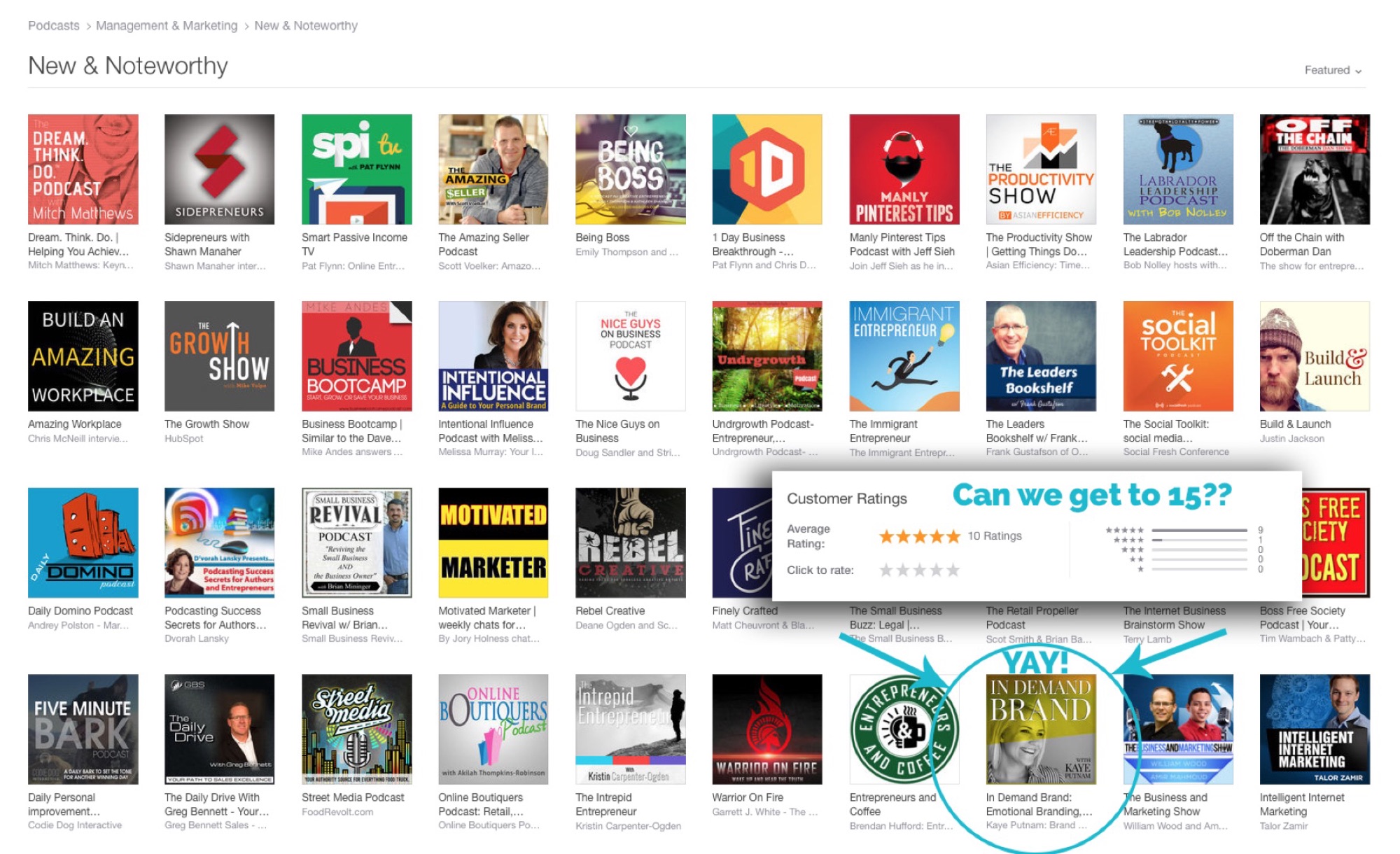
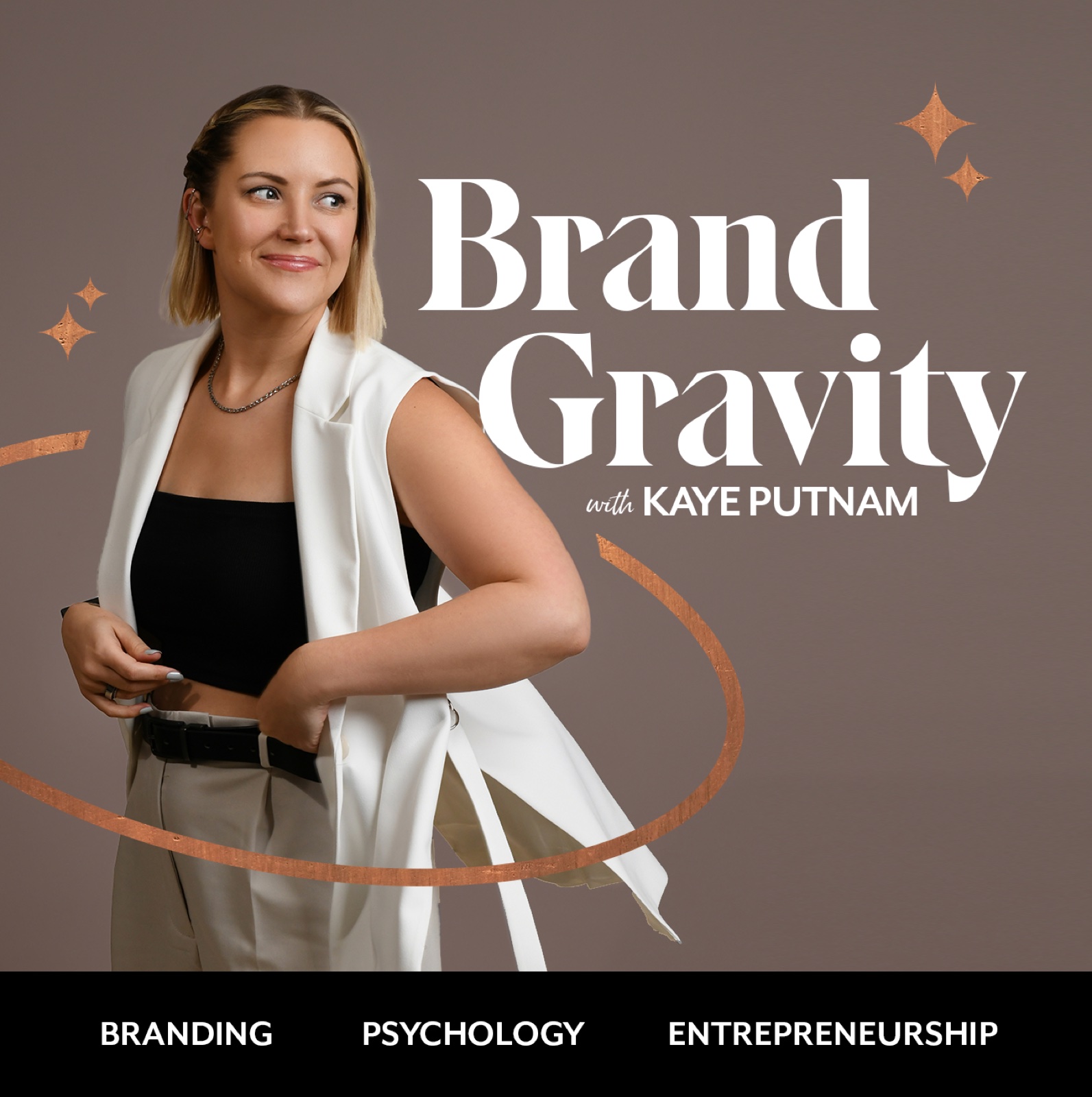
That engine carried everything downstream: archetype-specific courses, strategy engagements with a waitlist, workshops, and a podcast that Apple featured in the New & Noteworthy section of iTunes within weeks of launch.
Why It Worked
Most lead generation asks for trust before giving value. The quiz reversed the order. It also solved the hardest problem in marketing psychology: getting people to talk about you. Nobody shares a services page, but plenty of people share what their results say about them.
The mechanics still hold up today, and I'd argue they matter more now than ever. An owned audience and a signature framework are exactly the assets AI can amplify. When your positioning is clear enough to power a quiz, it's clear enough to power a content engine, a sales conversation, or a language model.
The Results
250K+ Quiz takers worldwide
33K Email subscribers, all inbound
100+ Client engagements it attracted
$0 Spent on outbound sales
Reflection
The quiz taught me the lesson I've been applying ever since: generosity scales better than persuasion. When you give people a genuinely useful experience of your thinking, demand takes care of itself. It's the same philosophy I later brought to Freewyld, just with cabins instead of archetypes.
Next case study
The Brand Studio
A decade of one-on-one brand strategy and identity work: 100+ businesses repositioned, renamed, and redesigned, from solo founders to Fortune 50 teams.